Artificial Intelligence

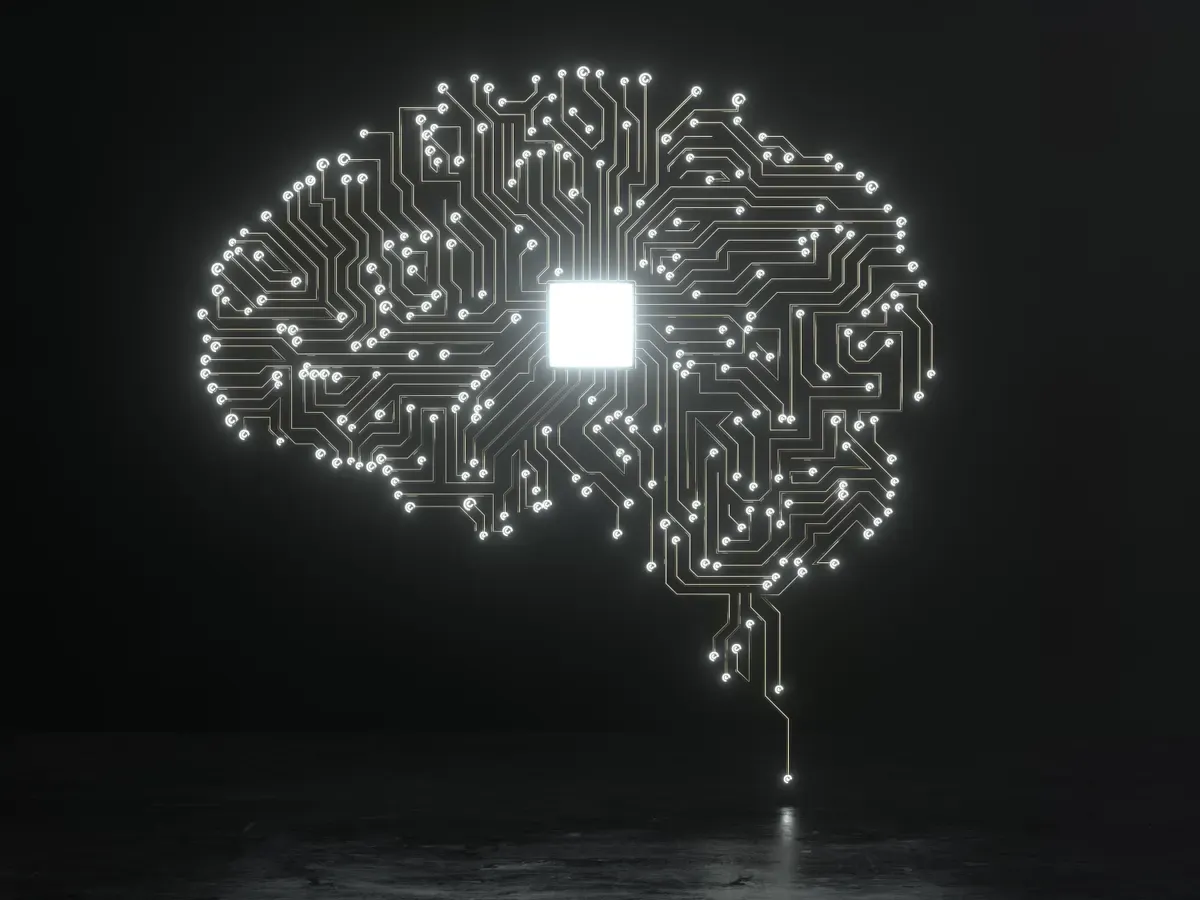
The role of artificial intelligence in literature is ambiguous. As a writer, I should condemn artificial intelligence as a blight on our existence. I'd like to jump on the bandwagon, ride along with authors I admire, and shout to the world that AI should be banned. It has inflicted a wound, which is bleeding writers around the world. But, I don't think I can. Not fully, anyway. I will have to let that wagon roll by and watch what happens. That might be a strange opening statement to a writer's view of artificial intelligence, but let me explain why.
Firstly, I disagree with people's intellectual property being used without consent to teach AI software. That is low. An author has the right to decide what happens with their work. Published, self-published, or sold to be thrown into the boiler to fuel AI. There needs to be stricter laws to protect an author's intellectual property.
So, for example, if Meta writes an exorbitant check for me to use Alluring Literature in its AI software, then it is up to me to give them the license to use it. But, considering what it would be used for, the price of that licence should be thousands of times more than the price of a single copy of the book.
Adam Nevill, an author whose work I enjoy reading, wrote a post about how he fell foul of Meta, essentially stealing his work. The post is in three parts, but the first one is here: https://bit.ly/43AGQb0. What he and others fell victim to is a crime. They should be compensated. Adam, if you read this, I am with you. I fully support authors having to opt in to allowing AI to use their licensed work.
Now, here is the ambiguous part of artificial intelligence. My job is in IT. I'd like to be a writer who creates interesting stories, but at the moment, I am a software developer creating lines of code. Having swum in the waters of technology for so long, I find the concept interesting. There is a geeky part of me that likes the idea of a fantastic novel being produced within a second. I have this idea of a form asking what kind of story you want. You fill in your answers and a novel tailored for you is generated within seconds.
"Alexa, print me a novel about animal ghosts haunting a zoo, written in the style of John Everson."
I doubt that will ever happen. Firms, mainly publishers, think that producing things like that will yield a huge profit. But the reality is that you probably get something that feels like it was written by E.L. James.
The other point I wanted to make is that artificial intelligence is ubiquitous. Spell and grammar checkers are claiming to be learning from your writing everyday. So, considering it is everywhere and that it is currently only good at low-level commands like rewriting this sentence to be more confident, I am not worried.
If an author feels the need to lean on something to help them complete a sentence, then so be it. They have to answer to themselves in terms of creativity. If their lack of language is such that they need help, it's up to them. The reader is what matters, and I am not concerned, as a reader, if Stephen King needed a spell checker for The Shining or Adam Nevill needed a copy editor to help with The Last Days.
The amount of poorly written emails and messages I receive on a daily basis makes me think that the spell checkers are not used nearly as much as they should be anyway.
Stephen King has described artificial intelligence as a rising tide that no one can stop, so we may as well get used to it. He is right to a certain degree. I am sort of interested in where this surging tide is going to take us, but ultimately, I don't think there is any need to worry. Tide is not the word I would use; maybe a wave is more accurate.