James Herbert

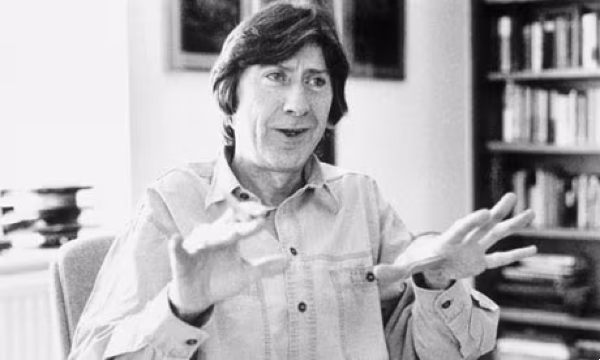
I have recently been rereading a few of James Herbert's novels. I was talking about horror books at work, and someone said how good The Rats was by James Herbert. I have to admit that I have only ever had two nightmares from reading the hundreds of horror novels that I have consumed in my lifetime, and The Rats was the cause of one.
I have read all of Herbert's novels but I thought I'd take a little nostalgic trip down memory lane and pick up a few of them again. I am glad I did. I had forgotten just how good his novels are. I reread The Fog and loved it. It was a path I had trodden before, but it was one I enjoyed walking down again.
I have a page on here where I have highlighted the authors I have loved reading and who I think have shaped my writing. But that list is way too small to encompass all of my influences. It is also way too brief. A few sentences are not enough. So here is my homage to the great author James Herbert.
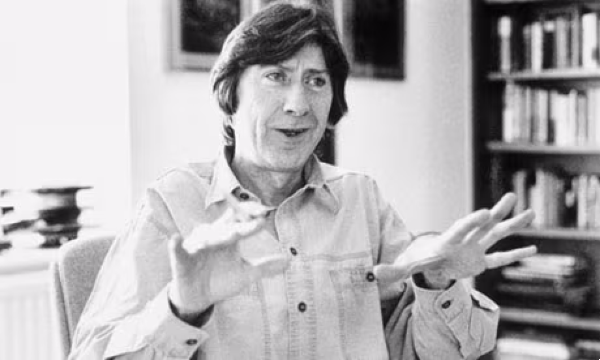
Born in the East End of London, England, he is a fellow Englishman. This may be why I can relate to his novels a little more easily than I can to those of authors from elsewhere. I know the areas, and I know how people talk from those areas. Something James seems to have his finger firmly on the pulse of. He began writing at a young age, using a pen and pad in longhand. This reminds me of my first foray into writing, when I would scribble out stories on pads at a young age.
Whenever I hear about authors writing longhand or using old typewriters to get their words out, I am filled with awe. It is an effort for me to get across the line with my first full-length novel. I can't imagine how alluring the demon of procrastination must seem if the act of writing itself is a chore.
James published his first novel, The Rats when he was twenty-eight years old. A terrifying book that planted little triggers in my young mind when I first read it, which are still pulled to this day. I can't see a rat now without thinking of waves of them, chittering and squeaking, as they surge towards me wanting to tear me apart with their jagged, yellowed teeth.
In his second novel, The Fog, and like The Rats before it, and frequently in his future novels, he would constantly switch between perspectives. A chapter or two concerning the main protagonist is followed by a chapter from a farmer's point of view as he is trampled to death by his herd. More story, pushing the novel along until he decides to throw in a chapter where a school teacher is tied to a climbing frame and castrated by his pupils.
I like the way this breaks up the story. As a younger reader, probably one with a shorter attention span, I read a few chapters but was compelled to find out how the fog was going to affect someone if I started a new chapter and the protagonist wasn't mentioned. This is a throw-away character, so I knew he/she would not have a good time. The sick puppy in me couldn't put it down.
Another trait that I picked up from James Herbert's novels was the need to showcase everyone as human. There are no heroes who live their lives according to the teachings of the bible. Sometimes, in modern novels, this type of character can piss me off. Everyone is flawed in some way. Cowards, drunks, and criminals can still be intriguing characters. We don't need the all-American hero on one side and an evil, debased villain on the other. Just real people.
If James Herbert ever attempted a fantasy novel, with vast armies waging wars against each other, you would probably find no good side and no bad side. Just sides. Some of the best sellers I've read recently contain polarising characters. Authors do this to generate affinity in their protagonists and disdain in their antagonists. James Herbert took the black and white and mixed it to create a cast of grey characters, which is much more realistic.
Some of my favourite books I read as a teenager were James Herbert novels. I highly recommend his work. Here is a selection of my favourites that I will definitely be rereading.
The Fog
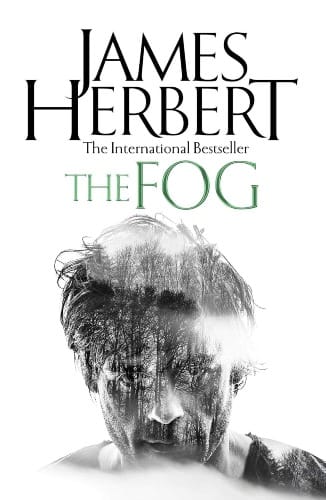
My personal favourite: An earthquake hits and tears a great hole in the English countryside. This in itself is a dramatic event. But after the sucker punch start of an entire village disappearing, the survivors have to deal with what escapes out of the cavity. A faintly yellow fog slowly disperses and sends anyone who comes into contact with it insane.
Some of the scenes in this book are great. The scope of insanity itself is one of the most intriguing things, from pissing onto a crowd of people to decapitating your wife.
This is an example of a side chapter, which is written from a different character's point of view. It is written to build them up, knock them down, and knock them down heavily.
A great ending poses the question: Is the fog sentient?
The Rats
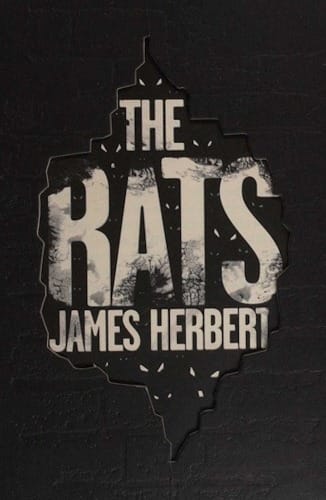
As I said earlier, this was a terrifying story for me. I found this book before I became largely desensitised to horror books and allowed to burrow into my psyche fully.
Again, even from the beginning, where a homeless man is besieged by a wave of rodents and eaten alive, good examples of side chapters. I am not sure what else to call them. This gives you an idea of the scale of the massive disasters in both books from multiple perspectives. But, like the men in the red shirts in Star Trek, you know nothing good will come from a side character's story unless you are a rat, of course.
James Herbert, you are in another place now, but from this one, readers' (and now writers') perspective, you have influenced and entertained me no end.
Thank You